
Arujuna Ramanathan and the Politics of Provocation
2026-05-21 1309
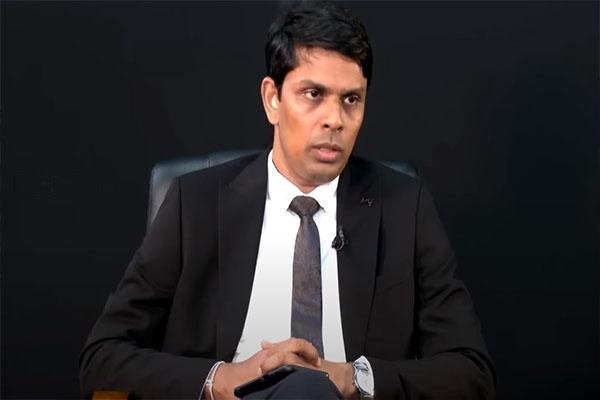
Gun-toting and perpetually courting notoriety, Arujuna Ramanathan has turned Parliament discourse into a theatre of Provocation. When Parliament Becomes Political Theatre
Roger Srivasan
There was a time when entry into Parliament carried with it a certain expectation of restraint, sobriety, and public dignity. Members of the legislature were expected to embody a measure of decorum befitting the institution they served. Increasingly, however, the conduct of some politicians appears designed not to elevate parliamentary discourse, but to degrade it into spectacle. Few figures exemplify this troubling phenomenon more vividly than Arujuna Ramanathan.
To many observers, he has become an intensely controversial and divisive political figure whose conduct is increasingly viewed as unbecoming of a parliamentarian. Those who once placed their trust in him at the ballot box now appear deeply disillusioned, with public frustration and embarrassment mounting over his inflammatory rhetoric and perpetual appetite for notoriety.Recent remarks made in Parliament — in which he appeared to speak approvingly of shooting and killing an Indian politician — provoked widespread outrage and revulsion across large sections of the Tamil-speaking world. Such reckless utterances are not merely irresponsible; they corrode the dignity of the legislature itself and diminish the seriousness of democratic discourse.
Language matters profoundly in Parliament. Words spoken within the chamber reverberate far beyond its walls, carrying diplomatic, social, and political consequences. When elected representatives indulge in violent imagery, theatrical bravado, and provocative grandstanding, they reduce Parliament from a forum of governance into a stage for political circus. To many critics, Arujuna Ramanathan has increasingly cultivated the image of a reckless provocateur rather than that of a sober legislator. The spectacle of a gun-toting parliamentarian repeatedly courting controversy has left many voters seething with anger and disappointment. Parliament is not a platform for perpetual provocation, nor should notoriety ever be mistaken for leadership. Equally disturbing is the broader culture this behaviour normalises. When political theatrics eclipse policy, when outrage becomes currency, and when inflammatory conduct is rewarded with publicity, Democratic institutions themselves begin to suffer reputational decay. Serious national issues are drowned beneath the noise of controversy-seeking personalities who thrive on disruption rather than constructive engagement. Many would argue that individuals displaying such volatility have no business being entrusted with firearms or afforded the aura of authority that accompanies public office. The issue extends beyond one individual; it speaks to the standards society is prepared to tolerate from those elected to represent the people.
Sri Lanka’s Parliament has endured enough disrepute over the years without further descent into sensationalism and performative outrage. The country faces grave economic, social, and governance challenges that demand maturity, discipline, and statesmanship — not reckless sound bites calculated to dominate headlines and social media cycles. When notoriety becomes a substitute for statesmanship, Parliament ceases to inspire confidence and instead begins to resemble political theatre of the very worst kind.








Lanka Newsweek © 2026